Designing Indoor Plant Landscapes That Transform Spaces

Creating an indoor plant landscape isn't just about placing plants randomly around your space – it's about designing a cohesive environment that guides visitors, creates focal points, and enhances the overall experience of your business.
The Foundation: Understanding Your Space
Traffic Flow and Sight Lines
Before placing a single plant, I map out how people move through your space:
- Entry points: Where do visitors first look when they enter?
- Natural pathways: How do people naturally walk through the space?
- Seating areas: Where do people pause and spend time?
- Dead zones: Which corners or areas feel forgotten?
Light Mapping
Different areas of your space have dramatically different light conditions:
- Bright zones: Near south/west windows (but watch for hot afternoon sun)
- Medium light: Central areas with ambient lighting
- Low light: Interior corners, areas far from windows
- Artificial light: Spaces dependent on fluorescent or LED lighting
Design Principles That Work
1. Create Visual Anchors
Every well-designed space needs focal points that draw the eye:
Entry Statement Plants
- Large floor plants (6+ feet) near entrances
- Fiddle leaf figs or large dracaenas for dramatic impact
- Multiple plants grouped at varying heights
Corner Installations
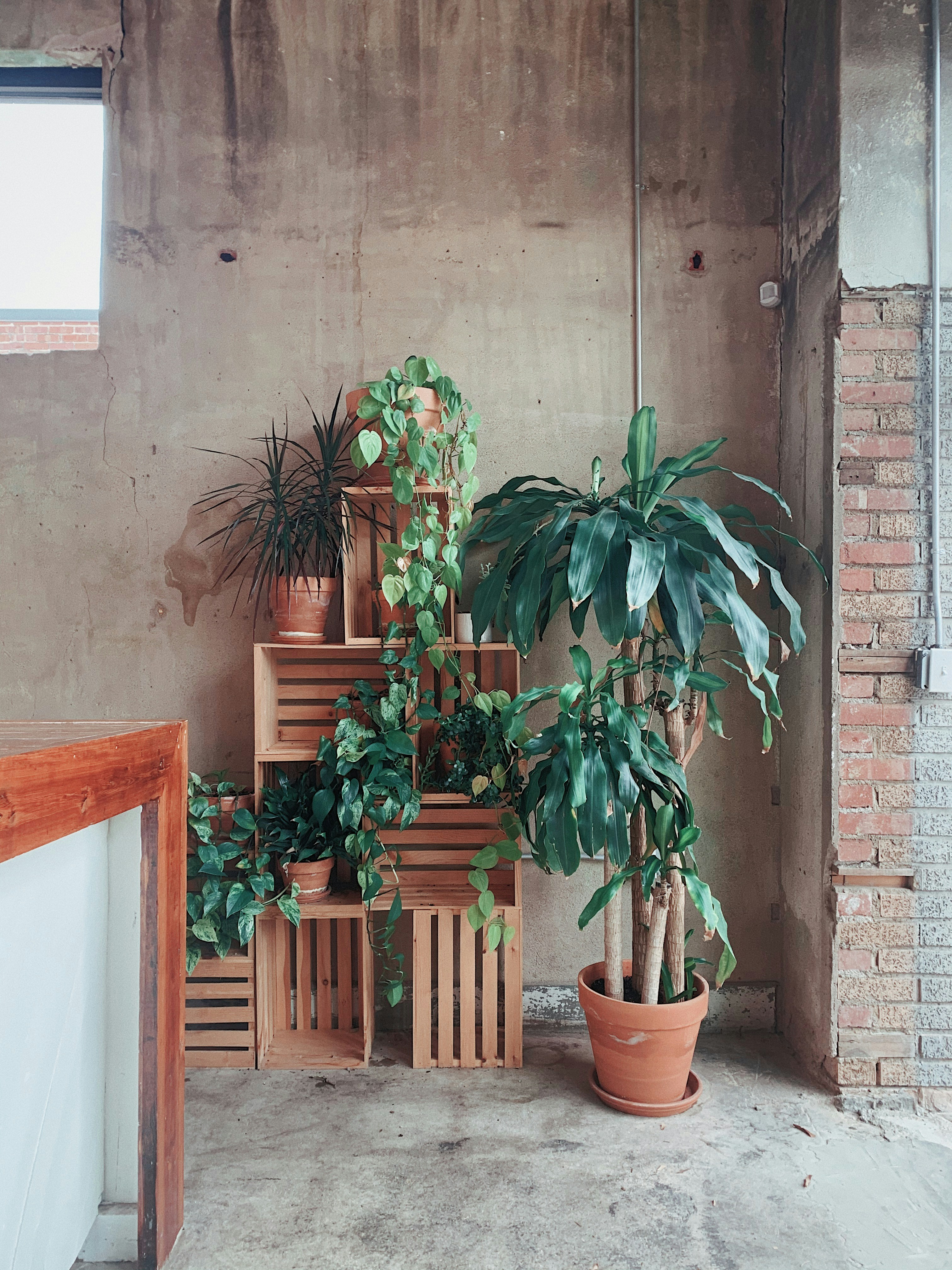
- Transform dead corners into plant vignettes
- Combine floor plants with hanging or trailing varieties
- Add visual interest to forgotten spaces
2. Layer Heights and Textures
Like outdoor landscapes, indoor spaces benefit from varied plant heights:
Canopy Layer (5-8 feet)
- Large floor plants: rubber trees, fiddle leaf figs
- Tall snake plants or dracaenas
- Creates ceiling and defines spaces
Understory Layer (2-4 feet)
- Medium plants: monstera, larger pothos
- Tabletop arrangements
- Fills middle visual space
Ground Layer (6 inches-2 feet)
- Trailing plants from shelves
- Small desk plants
- Desktop succulent gardens
3. Use Plants to Define Spaces
Plants can create "rooms" within larger spaces:
Natural Dividers
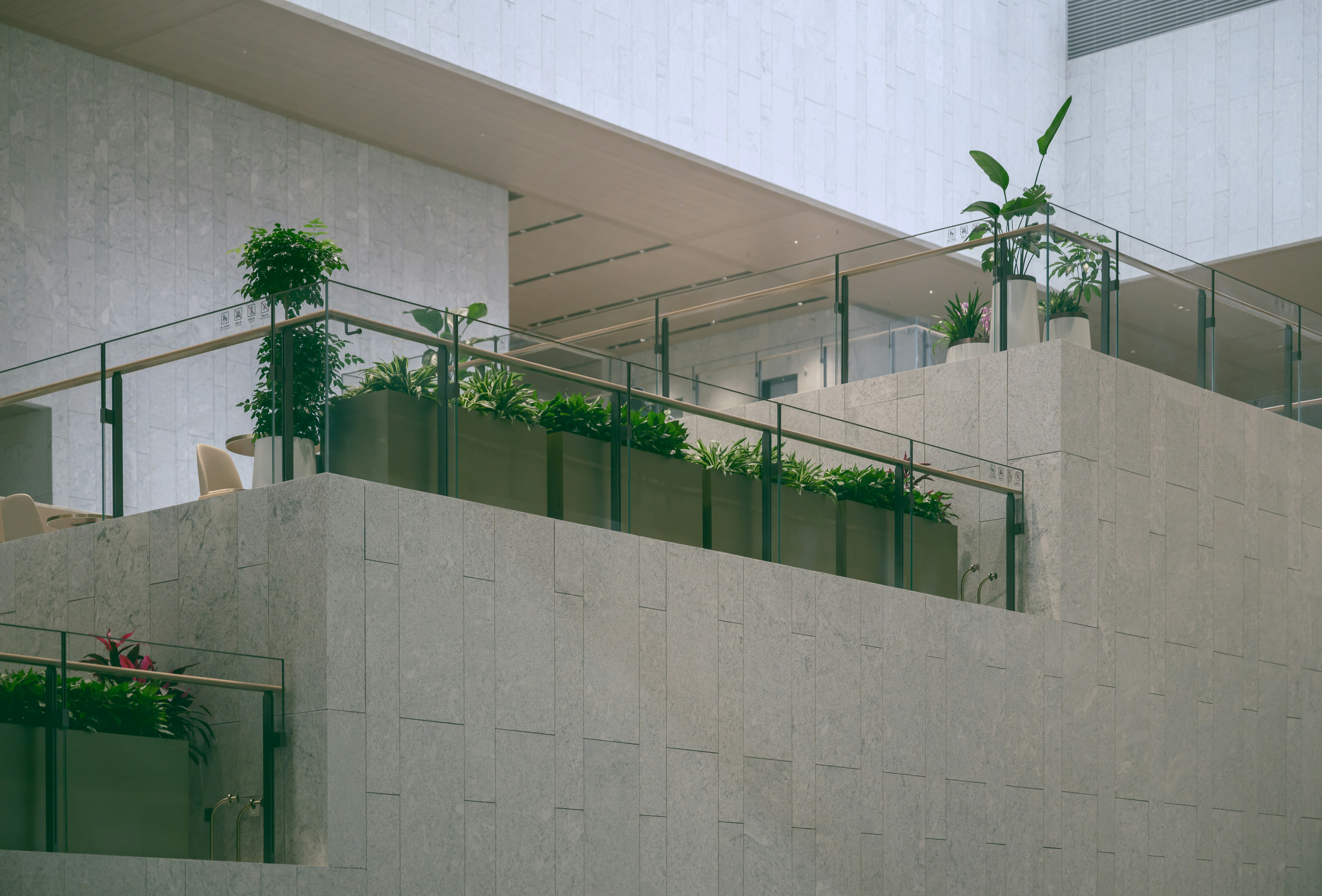
- Row of matching plants between dining and bar areas
- Large plants to create privacy around seating
- Visual separation without blocking light
Softening Hard Edges
- Trailing plants on shelving units
- Floor plants next to furniture corners
- Green elements to balance architectural features
Choosing Plants for Each Zone
High-Impact Statement Areas
These spaces need plants that look intentionally designed:
- Fiddle leaf fig: Classic, architectural presence
- Bird of paradise: Dramatic tropical feel
- Large snake plants: Modern, sculptural
- Rubber trees: Glossy, professional appearance
Supporting Cast Plants
These fill in around your statement pieces:
- Monstera deliciosa: Interesting leaf shapes, medium size
- ZZ plants: Consistent green backdrop
- Pothos varieties: Trailing elements, various leaf patterns
- Peace lilies: Elegant flowers, medium height
Accent and Detail Plants
Small plants that add finishing touches:
- Succulent arrangements: Desktop interest
- Small snake plants: Uniform elements for repetition
- Trailing pothos: Soften edges of furniture
- Desktop herbs: Functional and aromatic
Common Design Mistakes to Avoid
The "Random Plant Placement" Look
Problem: Plants scattered without thought to overall composition Solution: Group plants intentionally, create visual relationships
Ignoring Scale
Problem: Tiny plants in large spaces, massive plants in small areas Solution: Choose plant sizes appropriate to your space's scale
All Plants at Same Height
Problem: Creates a flat, boring visual line Solution: Vary heights using plant stands, hanging planters, floor plants
Neglecting Maintenance Access
Problem: Plants placed where they can't be easily cared for Solution: Ensure all plants can be reached for watering and cleaning
Seasonal Considerations in San Diego
Spring/Summer (Growing Season)
- Plants grow more actively, may need repositioning
- Increased watering needs
- Perfect time for adding new plants to installations
Fall/Winter (Slower Growth)
- Reduced watering frequency
- Good time for pruning to maintain shapes
- Some plants may need supplemental lighting
The Professional Difference
Creating cohesive indoor landscapes requires understanding both design principles and plant care:
Design Planning
- Assess space layout and lighting conditions
- Create plant placement plan with visual balance
- Select appropriate varieties for each zone
Installation and Styling
- Proper container selection and sizing
- Professional plant placement and grouping
- Coordinated design elements
Ongoing Refinement
- Seasonal adjustments to maintain design intent
- Replacement of plants that outgrow their spaces
- Regular pruning to maintain shapes and sizes
Ready to Transform Your Space?
A well-designed indoor plant landscape doesn't happen by accident – it requires understanding your space, choosing the right plants, and placing them with intention.
Want to see how professional landscape design can transform your business? I create custom indoor landscapes for San Diego businesses that enhance your environment while remaining practical to maintain. Schedule your design consultation to discuss your space's potential.
Curious about what's possible in your specific space? Send photos of your business and I'll share ideas for creating an indoor landscape that works for your environment and budget.
Photo Credits:
- Plant wall sections photo by Dewi Ika Putri on Unsplash
- Stacked crates photo by Declan Sun on Unsplash
- Indoor balcony photo by Skyler Smith on Unsplash